


紫黑色果实的秘密:女贞树的栽培技巧
What is the plant that bears clusters of deep purple fruits? The plant in question is the Ligustrum tree, commonly known for its rich purple-black fruits that appear from August to December each year. These fruits, measuring approximately 7-10 millimeters in length, are not just visually striking, but also hold significance in horticulture due to their ornamental and medicinal properties. The Ligustrum tree, with its distinct blue-black to purple-black or purple-red fruits, presents a unique cultivar for growers seeking to diversify their plant varieties.
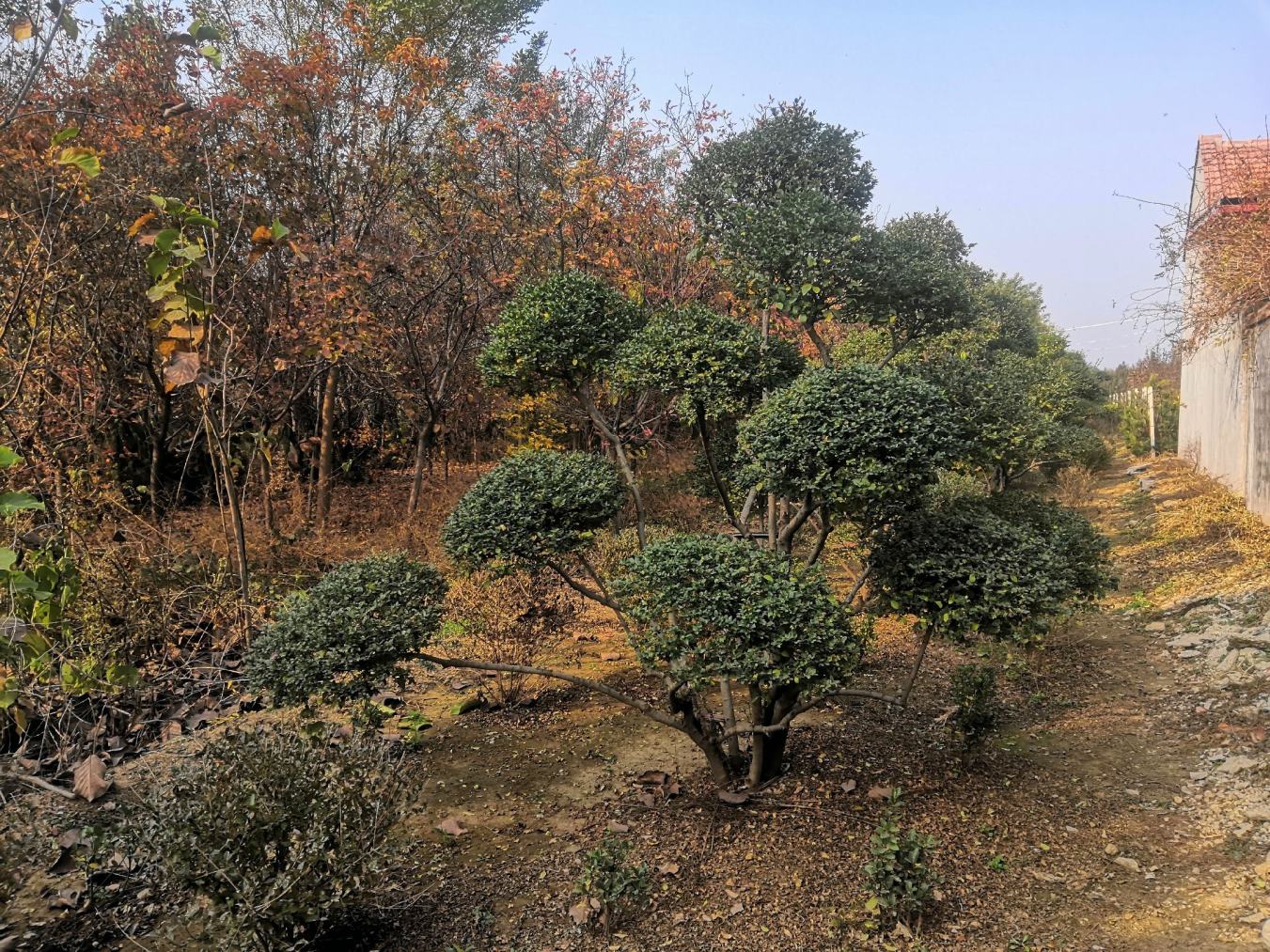
The cultivation of Ligustrum trees requires careful consideration of the growing environment, as the choice of location can significantly affect plant health and fruit yield. Optimal sites are those that are sheltered from strong winds and receive ample sunlight. The soil should be fertile and well-draining to ensure proper irrigation and drainage, which are essential for the prevention of waterlogged roots and associated diseases. The preparation process includes deep tilling of the soil to dry it out and eliminate pests before sowing. This step is crucial as it lays the foundation for a healthy start to the tree's life.
Fertilization and pruning are critical techniques for the growth of Ligustrum trees. Initially, young saplings do not require fertilization; instead, they benefit from foliar sprays of nutrients every 20 days. However, as the tree reaches a height of one meter, the application of mature liquid fertilizer becomes necessary, applied every 20 days, to encourage robust branch and leaf growth. Pruning is another vital aspect of maintaining the Ligustrum tree's health. Each spring, the main branches should be pruned to encourage new growth and expand the tree's canopy, while also reducing unnecessary nutrient consumption.
Implementing this set of cultivation techniques is not only important but also urgent for maximizing the yield and quality of Ligustrum fruits. By ensuring that trees receive the right amount of sunlight, nutrients, and timely care through pruning, growers can optimize their harvest and potentially increase the health benefits that Ligustrum trees provide. This, in turn, can lead to a more sustainable and profitable horticulture practice.